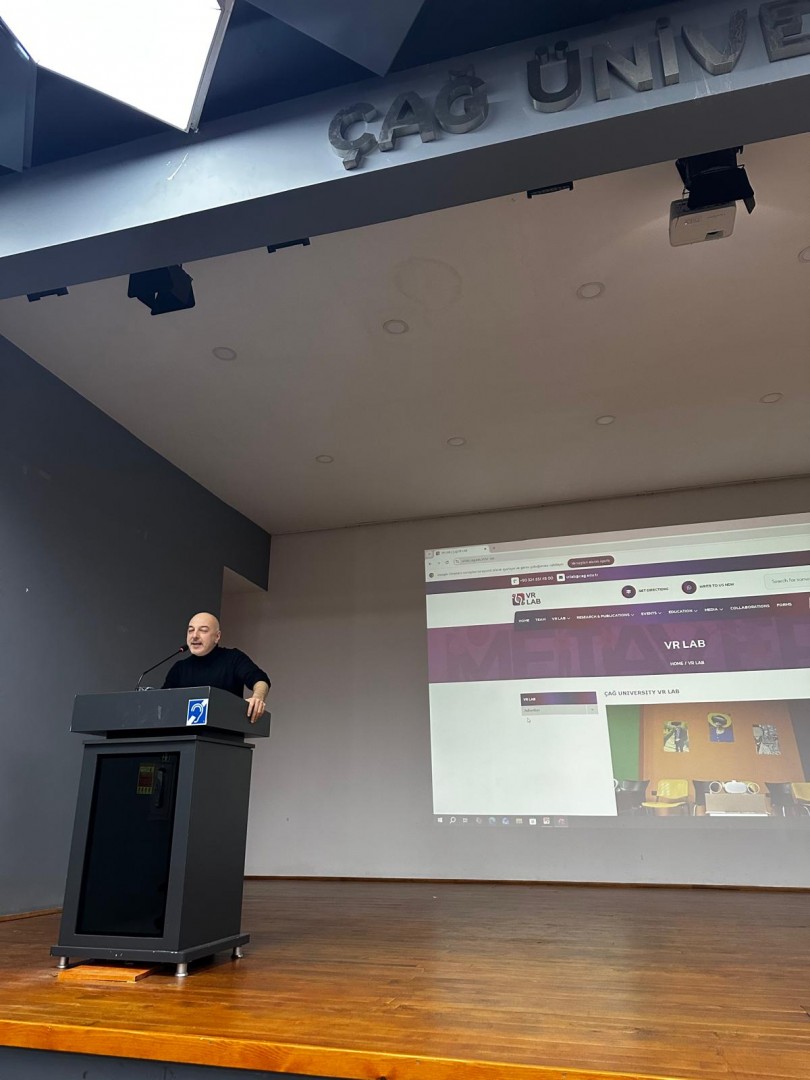
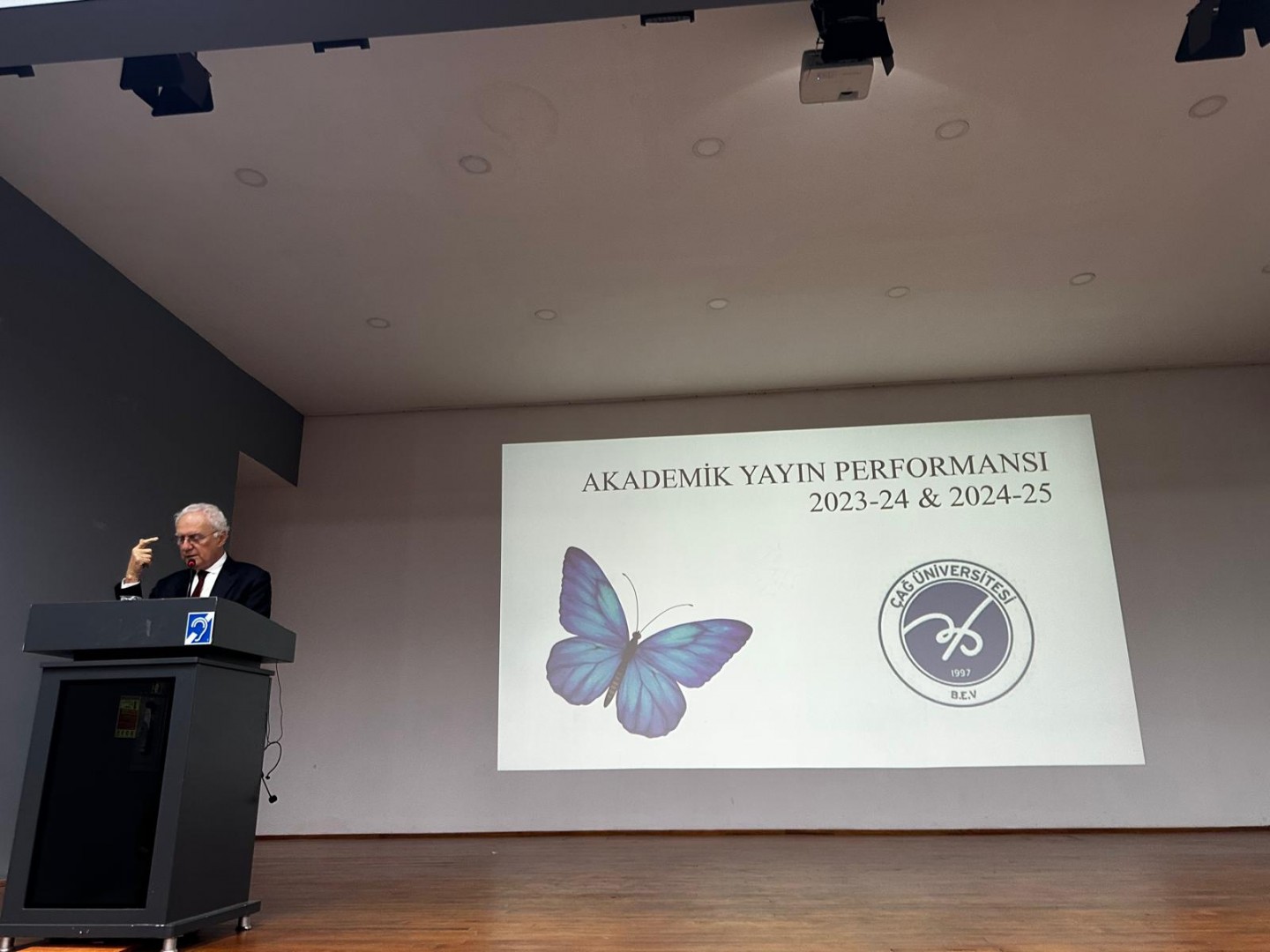
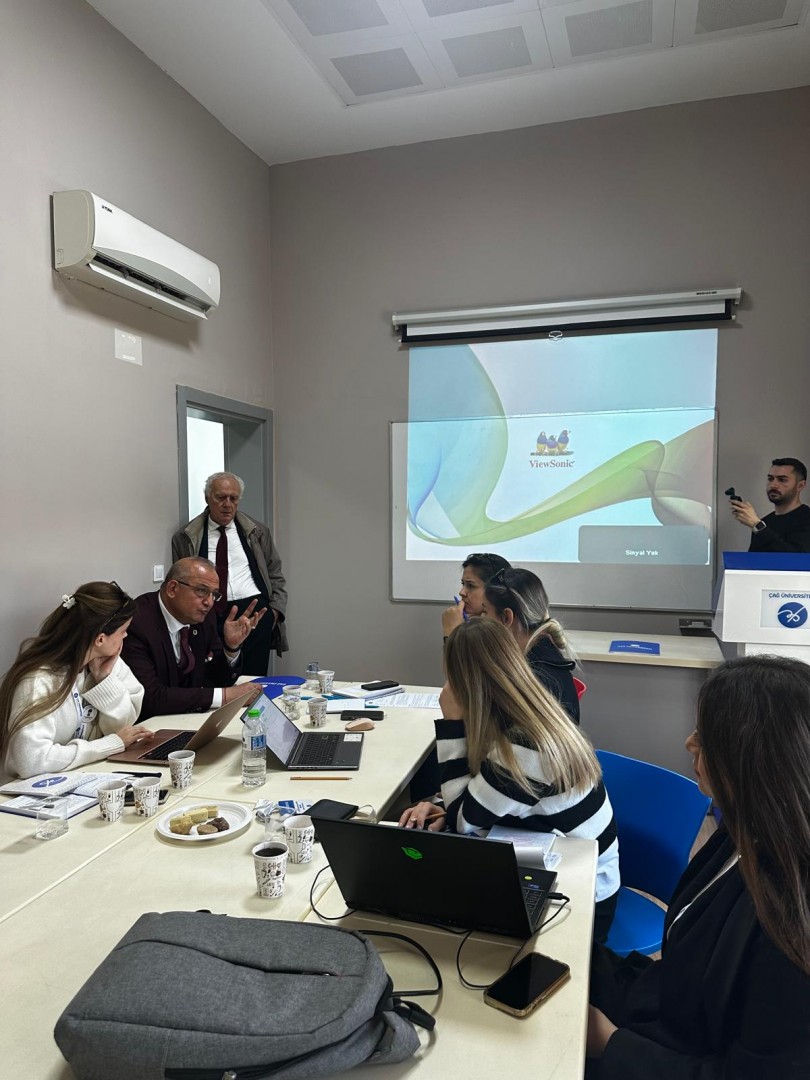
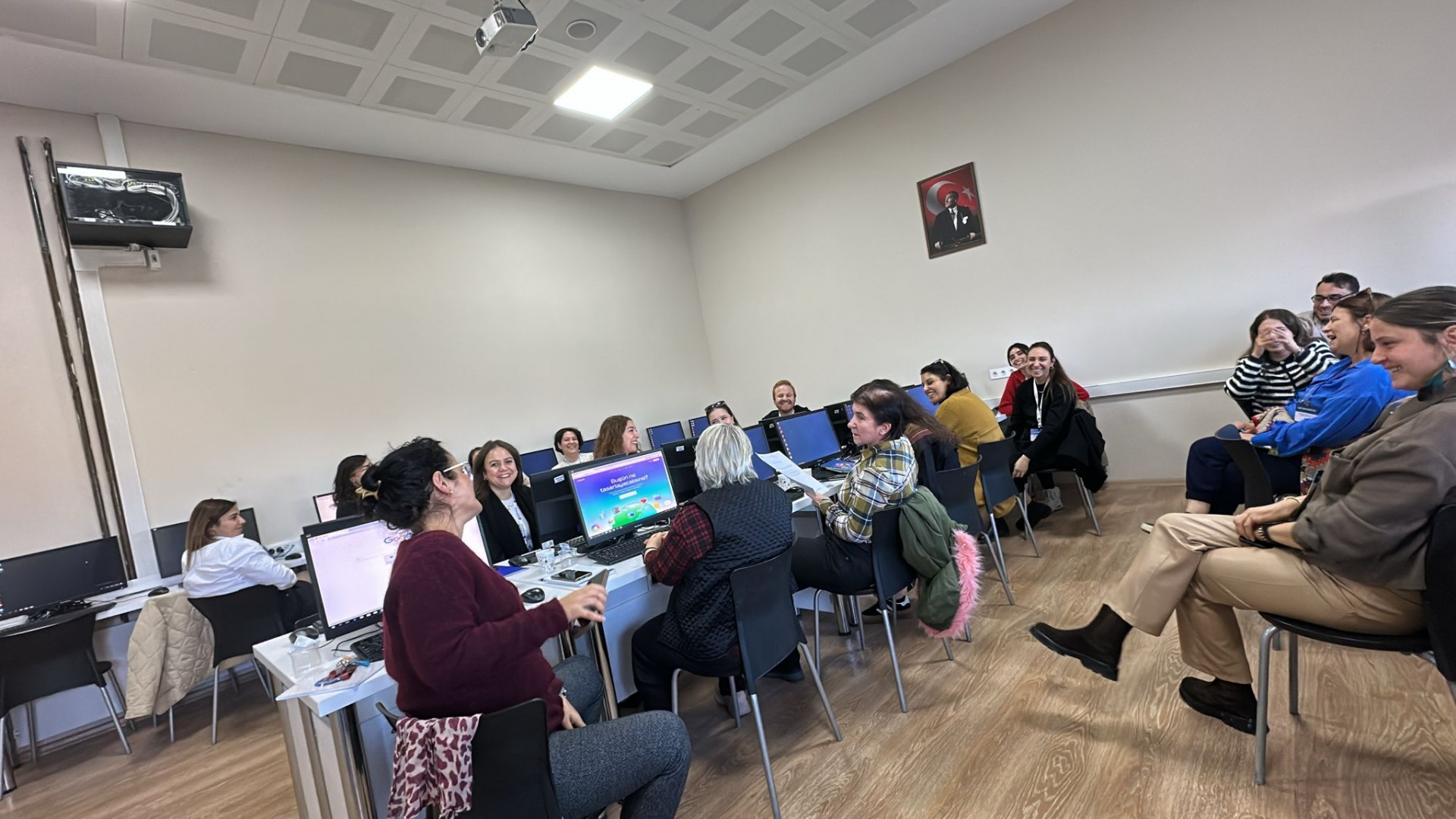
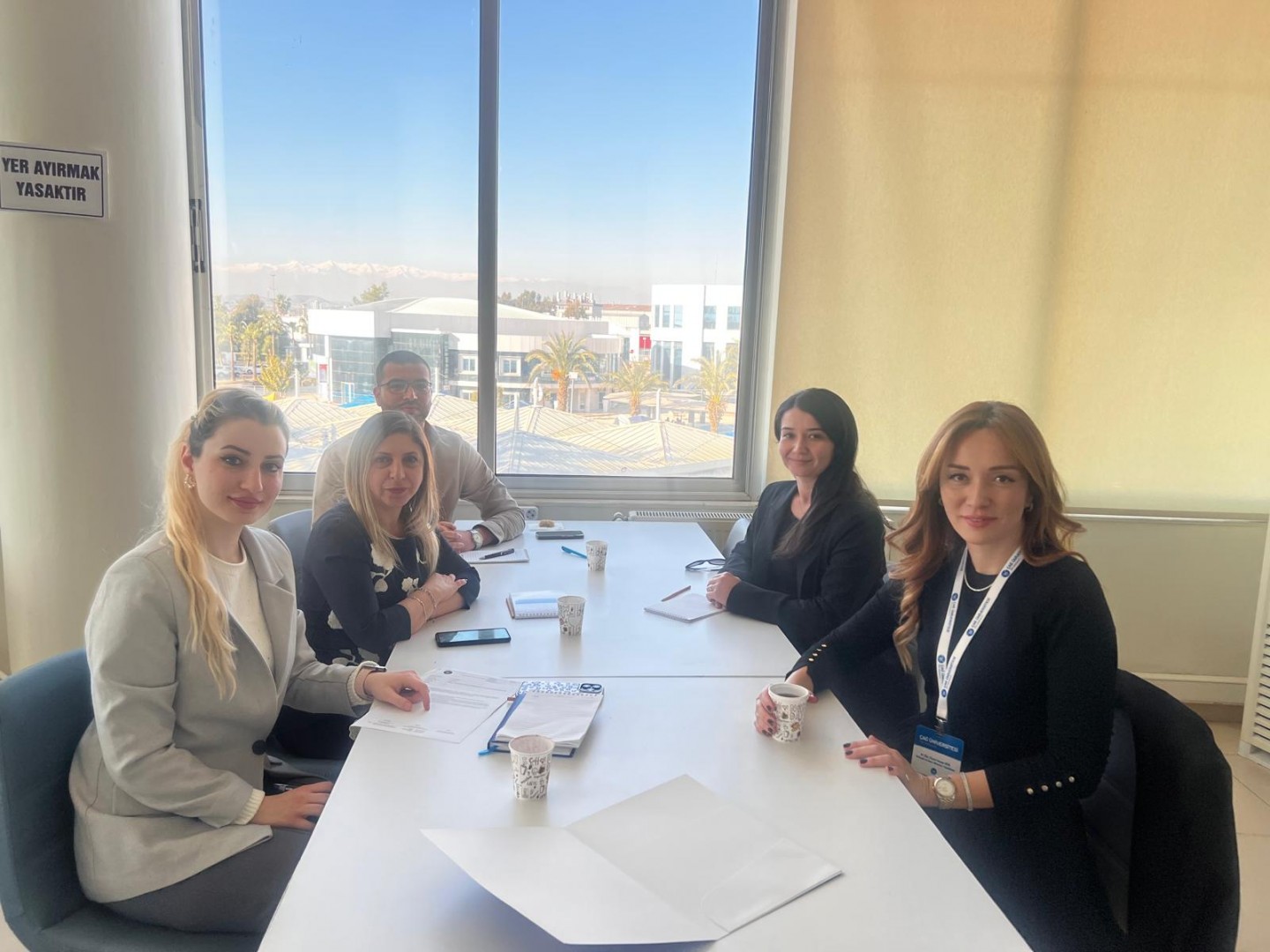
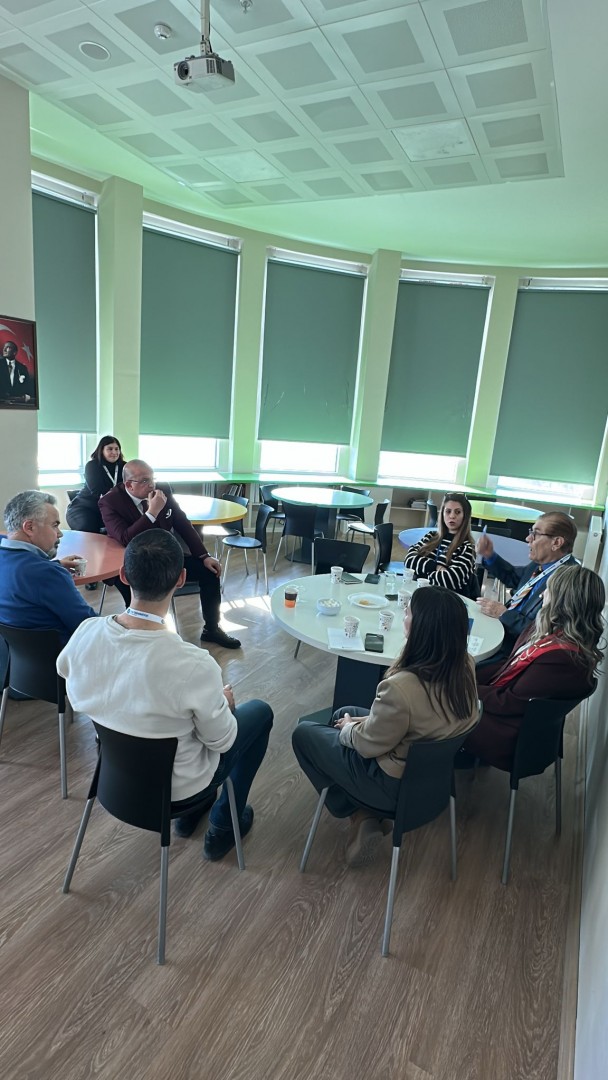
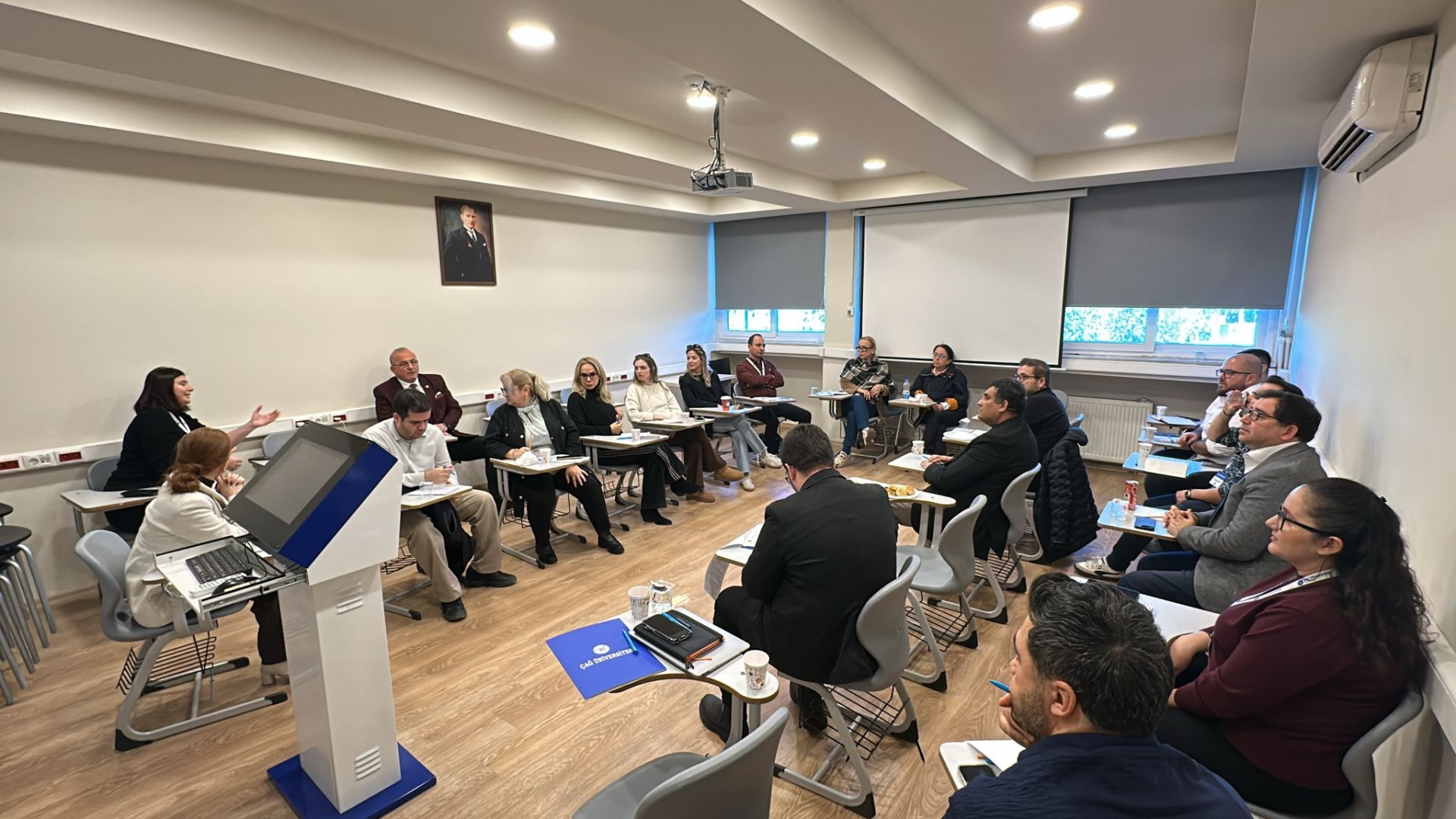
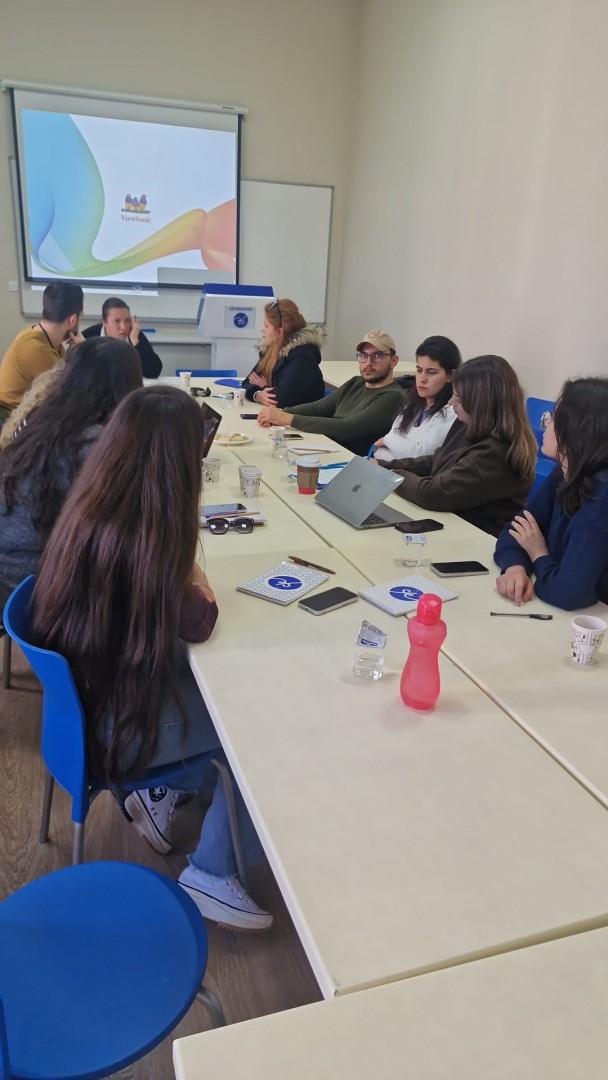
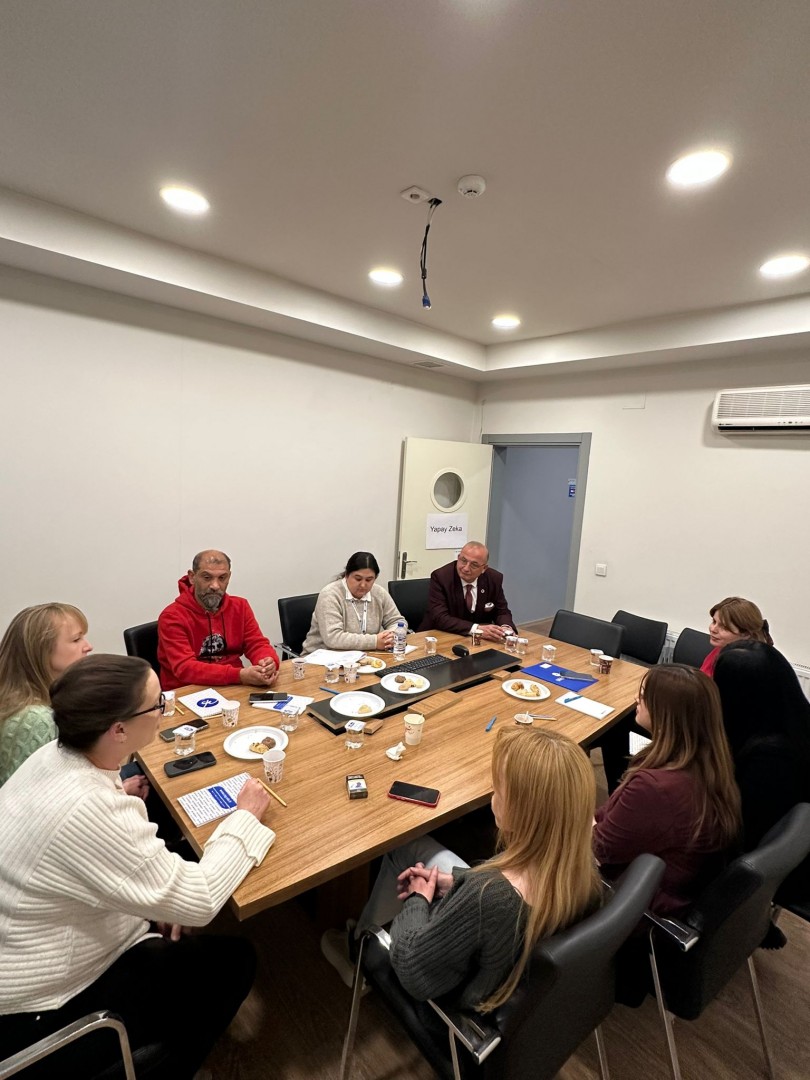
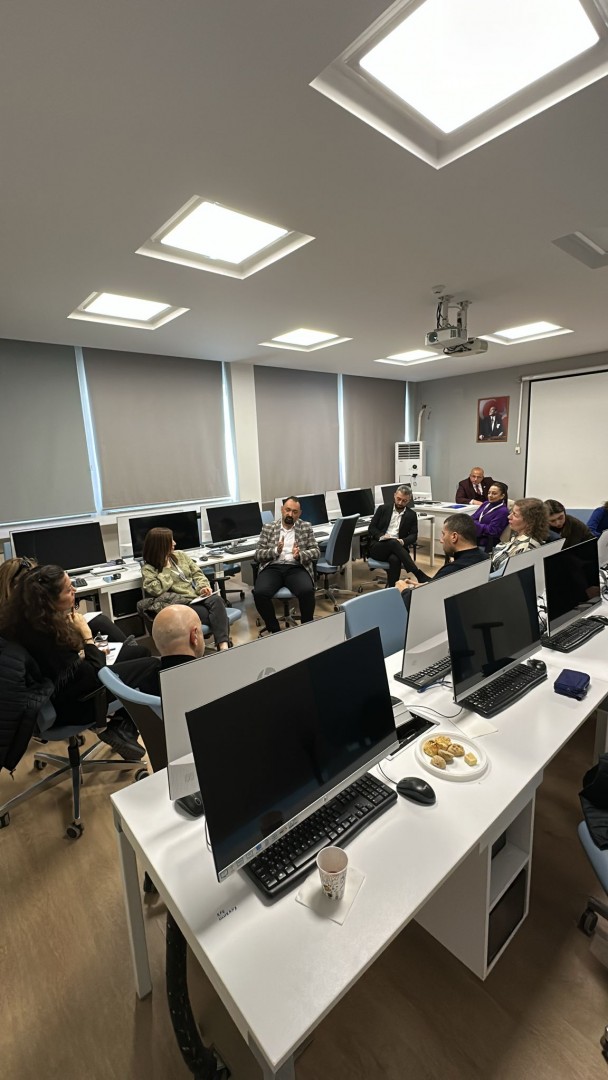
The 2nd R&D Workshop was successfully completed.
GENERAL EVALUATION
Thematic sessions conducted within the scope of R&D meetings have demonstrated that the culture of interdisciplinary collaboration within the university is strengthening and that different academic units can come together around a common research agenda. The common orientation that stood out in all themes was that current practices should not remain merely at the idea level, but should be linked to institutional goals and transformed into measurable scientific outputs (articles, projects, training modules, workshops/conferences, etc.). In this context, the meetings have created an important platform for developing national/international collaborations as well as increasing internal capacity.
When examining the outputs generated during the meetings, three main axes stand out. The first is the need to structure practices such as podcasts, digital storytelling, simulation, VR applications, and digital badges for pedagogical purposes under the heading of digitalization and innovation in education; to achieve a model that is compatible with learning outcomes and sustainable. The second is the need to develop a common framework in areas such as ethical use, artificial intelligence literacy, and prompt engineering, under the theme of artificial intelligence, through a modular educational approach planned at the institutional level for students and academics. Thirdly, there is a need to support an interdisciplinary approach in areas such as women's and family studies, e-commerce, maritime law, sustainable financial systems, and the history of science through systematic meetings, symposiums/workshops, and fund-focused project planning.
However, some areas for improvement have also become apparent throughout the meeting minutes. It is understood that interdisciplinary participation has not reached the expected level in some topics, that collaboration has sometimes remained at the “instrument” level, and that there is an increased need for institutional coordination, monitoring-evaluation, and resource planning for the transition to implementation. Particularly in the themes of digitalization and artificial intelligence, the components of infrastructure (software-hardware), human resources (educator capacity), and governance (ethical framework, guidance documents, institutional policy) need to be addressed together. Furthermore, considering the risk of access to data sets in data-driven research objectives, alternative methods (systematic review, qualitative analysis, book chapter) were planned during the meetings; this is assessed as providing positive flexibility in terms of the continuity of scientific output.
As a result, the thematic sessions produced strong recommendations that will contribute to the institution's research and education-focused transformation. To ensure the sustainability of these recommendations, it is proposed to establish (i) an action plan containing short-, medium-, and long-term goals for each theme, (ii) a monitoring matrix supported by responsible parties, timelines, and output indicators, and (iii) a common institutional framework for training modules and interdisciplinary activities. Thus, the ideas generated during the meetings can be managed in line with the institution's strategic plan and performance indicators, transforming them into academic and societal outputs with a higher level of impact.
R&D Coordination Office